Obtained through polymerization of propylene from polyolefinic resin. Sheets are made of homo or copolymers. Isostatic PP is mainly used for industrial application. Resistant to strong acids, alkalies & weak solvents but sensitive to strong oxidizing agents & halogens. Heat resistance 90°C
Polypropylene Homopolymer (PPH) is the most used. It has a high strength/weight ratio and is more rigid than the copolymer. This, combined with good chemical resistance and weldability, means it is used in many corrosion resistant structures.
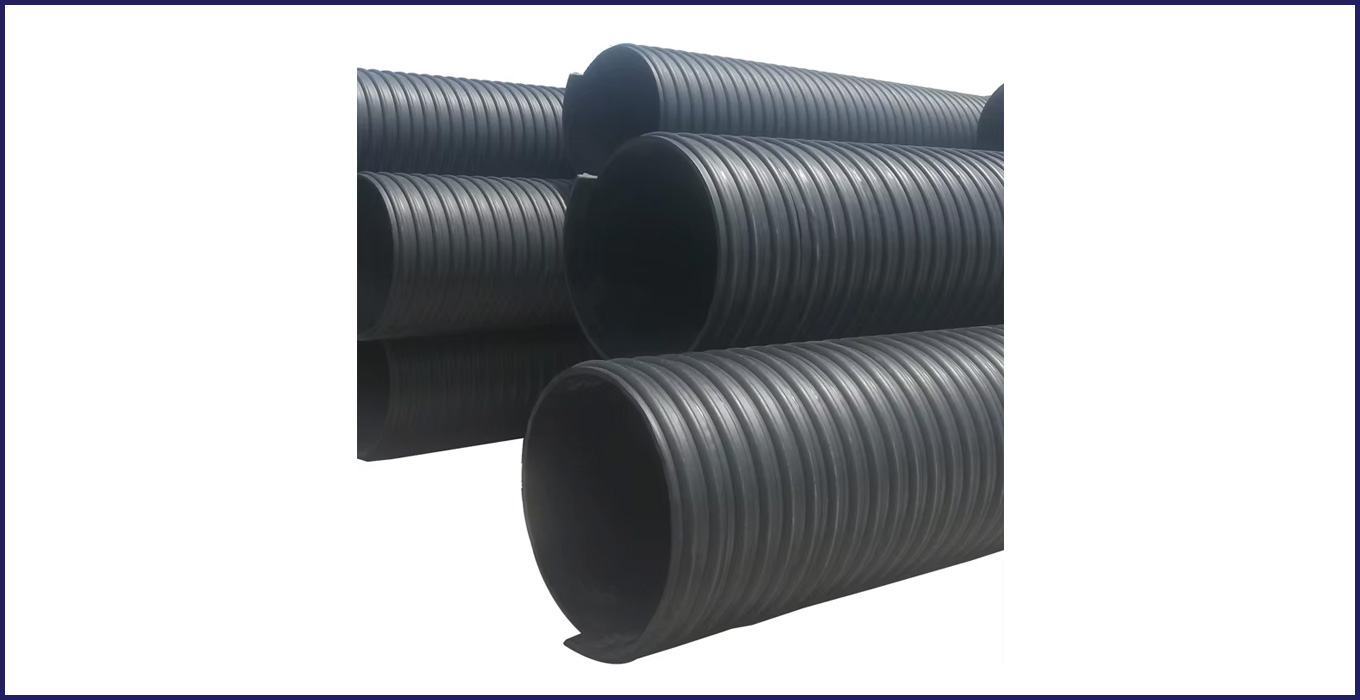
A polyolefinic resin polymerized to form HDPE having molecular form with medium to high density. Chemical resistance same as PP but heat resistance upto 60°C.
UPVC belongs to category of vinyl resins where in its molecular structure, each monomer unit contains one chlorine atom. Resistant to acids & alkalies but sensitive to aromatic solvents. Heat resistance is 60°C.
CPVC is made by chlorination reaction with homo polymer PVC, by increasing chlorine content in PVC to 70% max. Chemical resistance similar to PVC but heat resistance upto 90°C
These are fluorinated polymers having chain or thread like molecules. Resistant to acids, oxidants, solvents & halogens while sensitive to amines & alkalies. Heat resistance upto 140°C.
| Material | Site Joint Method | Size / Range (mm) |
|---|---|---|
| PP/PPH/PPR/HDPE | ||
| Butt Fusion | 15-500 | |
| Socket Fusion | 15-200 | |
| Hot Air Welding | 15-500 | |
| PVC/CPVC | ||
| Solvent Cementing | 15-315 | |
| Hot Air Welding | 15-315 | |
| Union / Coupling Joint | 15-160 |